FOUNDATION ARMS
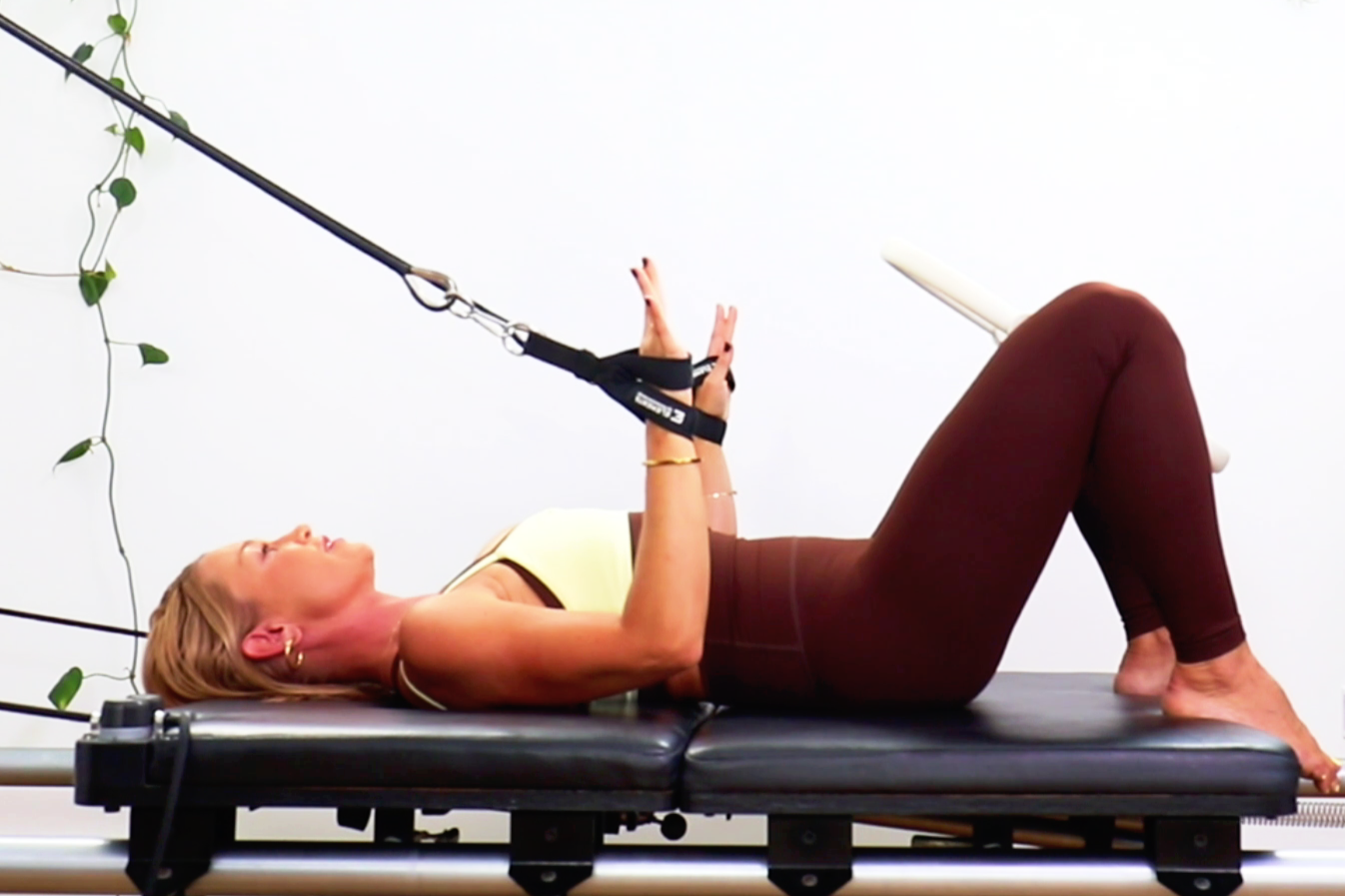
Learning the foundations of movement is such an important part of building a sustainable movement practice. The basics may appear simple, but they don’t have to be boring!
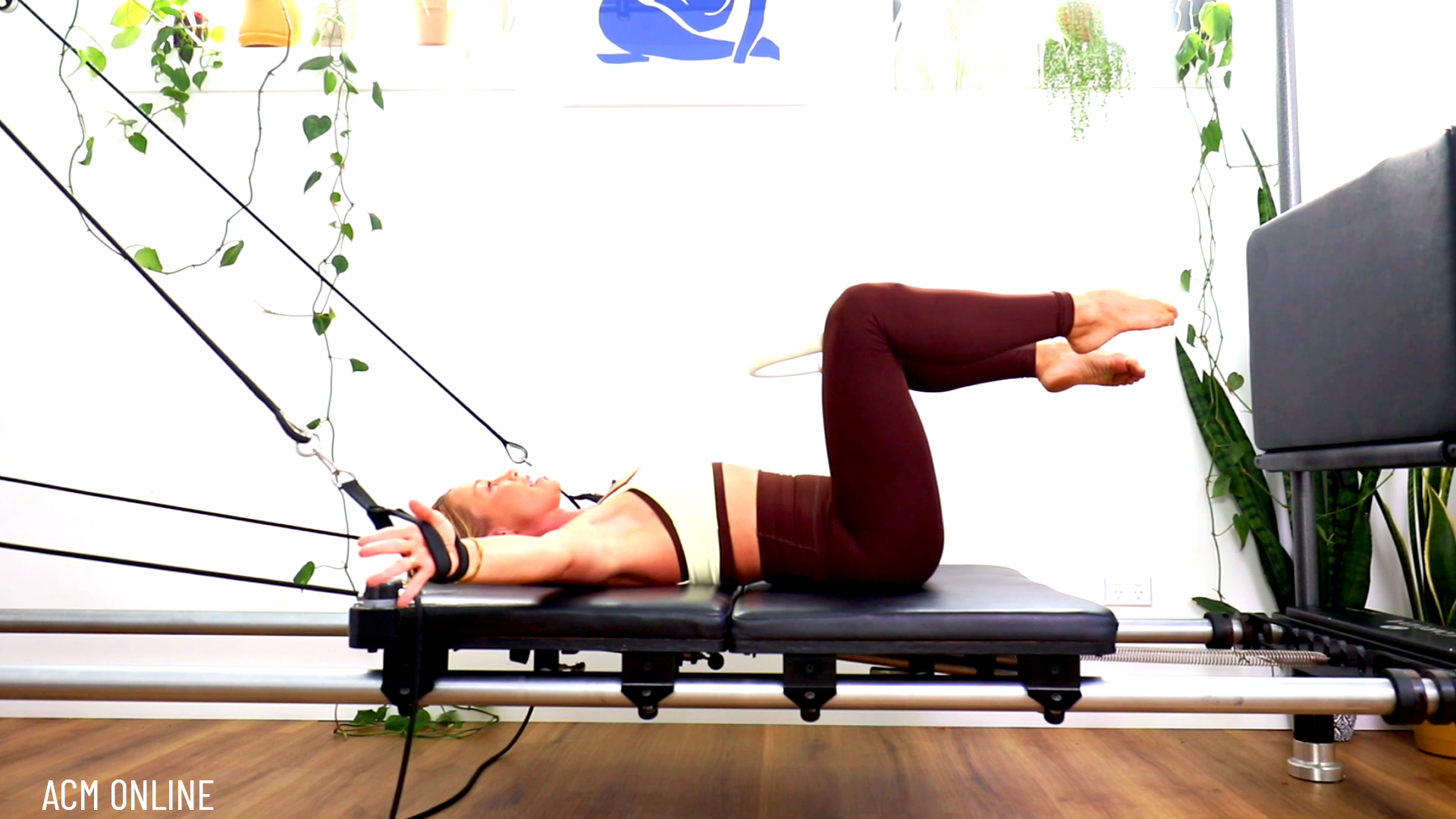
The more experienced we become as movers, the more we realise how much depth exists inside the simplest movements. Returning to the basics is not a step backwards, but an opportunity to refine and uncover new intelligence within the body. Within even the most familiar patterns, there are hidden layers of embodiment, coordination, strength, organisation, timing and range, waiting to be discovered.
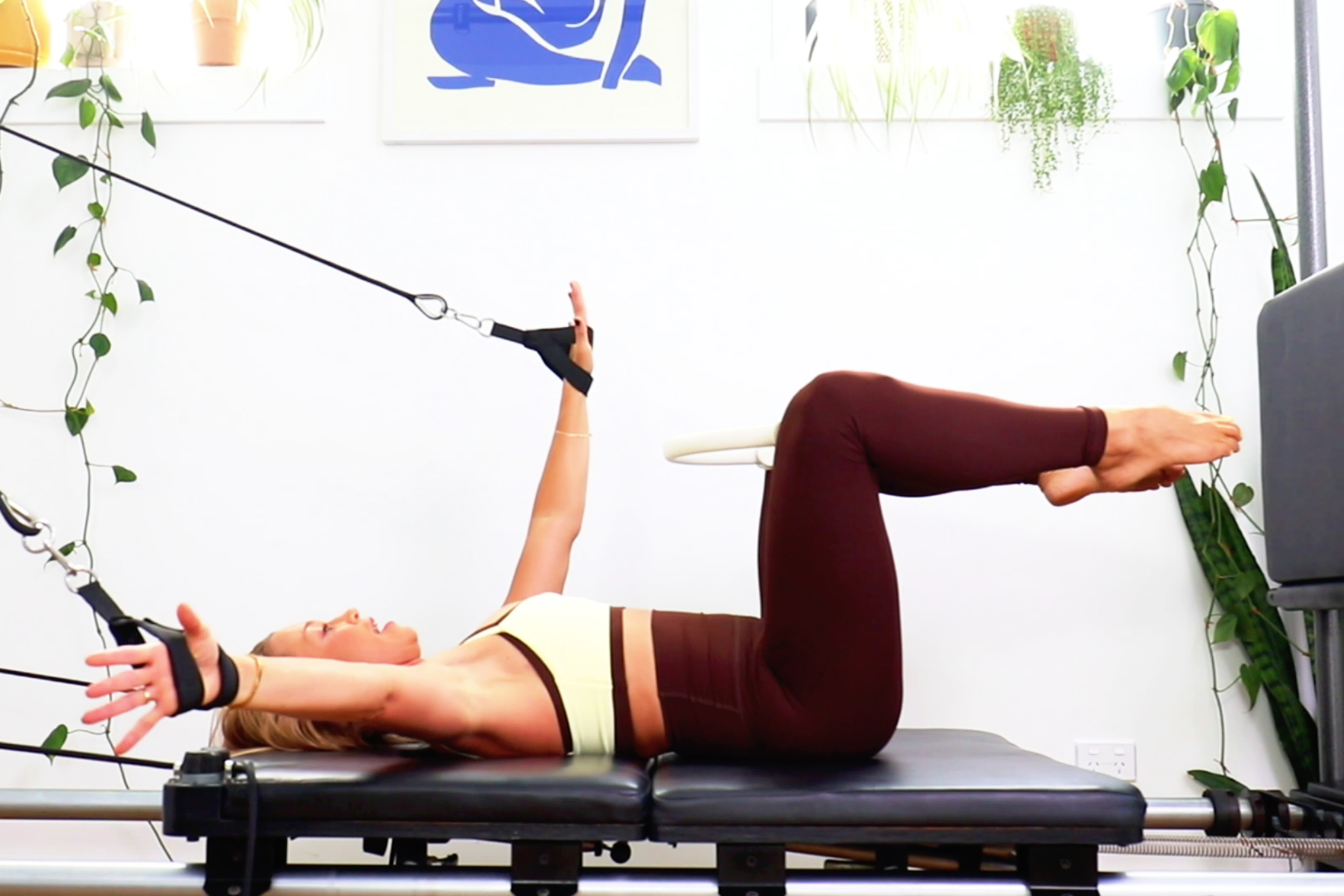
This tutorial is also the perfect option for the days when you need something that meets you at a beginner level, or when you are looking for a more precise practice during rehabilitation. It offers precision to create awareness and confidence in the foundations before adding more complexity. Sometimes the most valuable work is not in progressing quickly, but in taking the time to truly master the simple patterns, so the body is prepared for what comes next.
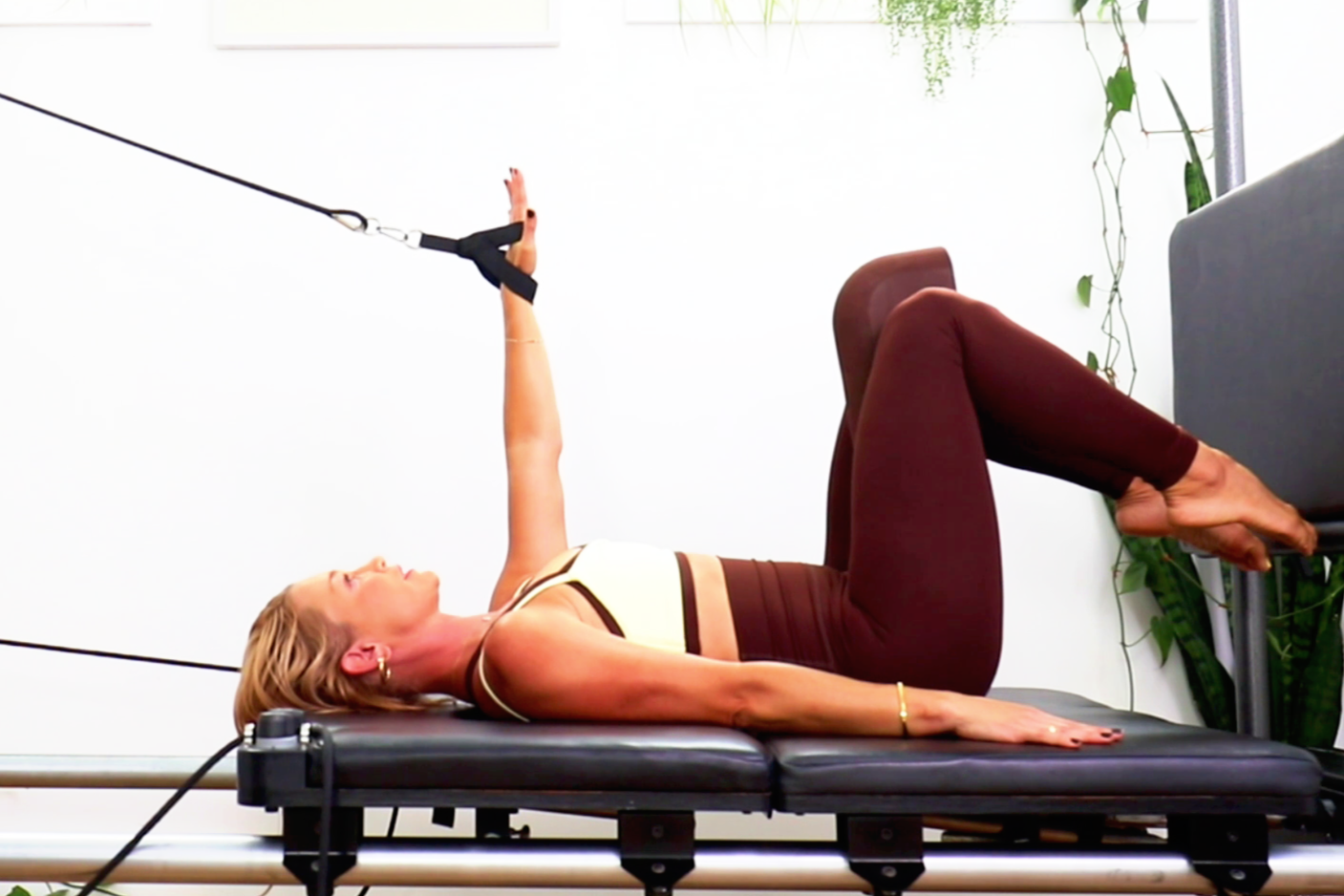
I filmed this in preparation for my forearm revision surgery. I wanted to offer something to myself in rehabilitation and to online members that felt inviting and supportive, if you were in a similar place to me.
In saying that, due to the beauty of spring resistance and other variables, this class can be modified to regress/progress to make it beneficial and enriching for everyone.
Injury rehabilitation can be a tender and complicated space.
It’s rarely just about the tissue healing, or ticking off exercises on a rehab plan. It can also bring up fear, frustration, grief, impatience, uncertainty, and a very real hesitancy to trust your body again.
Fear of movement is common after injury. So is fear of weightbearing. Fear of load. Fear that doing “too much” might set you back, or that pain automatically means damage. And while these responses make sense, especially when your body has been through something difficult, they can also quietly start to shape how you move, how you rest, and how you return to the things you love.
This is where support matters.
Not just physical support, but psychological support too. Injury psychology can be such an important part of rehabilitation, helping you understand your nervous system, your relationship with pain, your confidence with movement, and the beliefs that may be influencing your recovery.
Sometimes the pathway forward is not about pushing harder, but about rebuilding trust gradually.
Small exposures.
Clear guidance.
Appropriate load.
Enough reassurance.
Enough patience.
Enough curiosity to keep listening, without becoming afraid of every sensation.
I’m not an expert in this area, and this isn’t personal advice. But I do think it can be helpful to hear about other people’s experiences, because sometimes that gives us the language, permission, or direction we need to seek the right support for ourselves.
Rehab is not always linear. But with the right people around you, and a compassionate approach to rebuilding capacity, it is possible to find your way back into movement with more confidence, clarity, and trust.