Calm
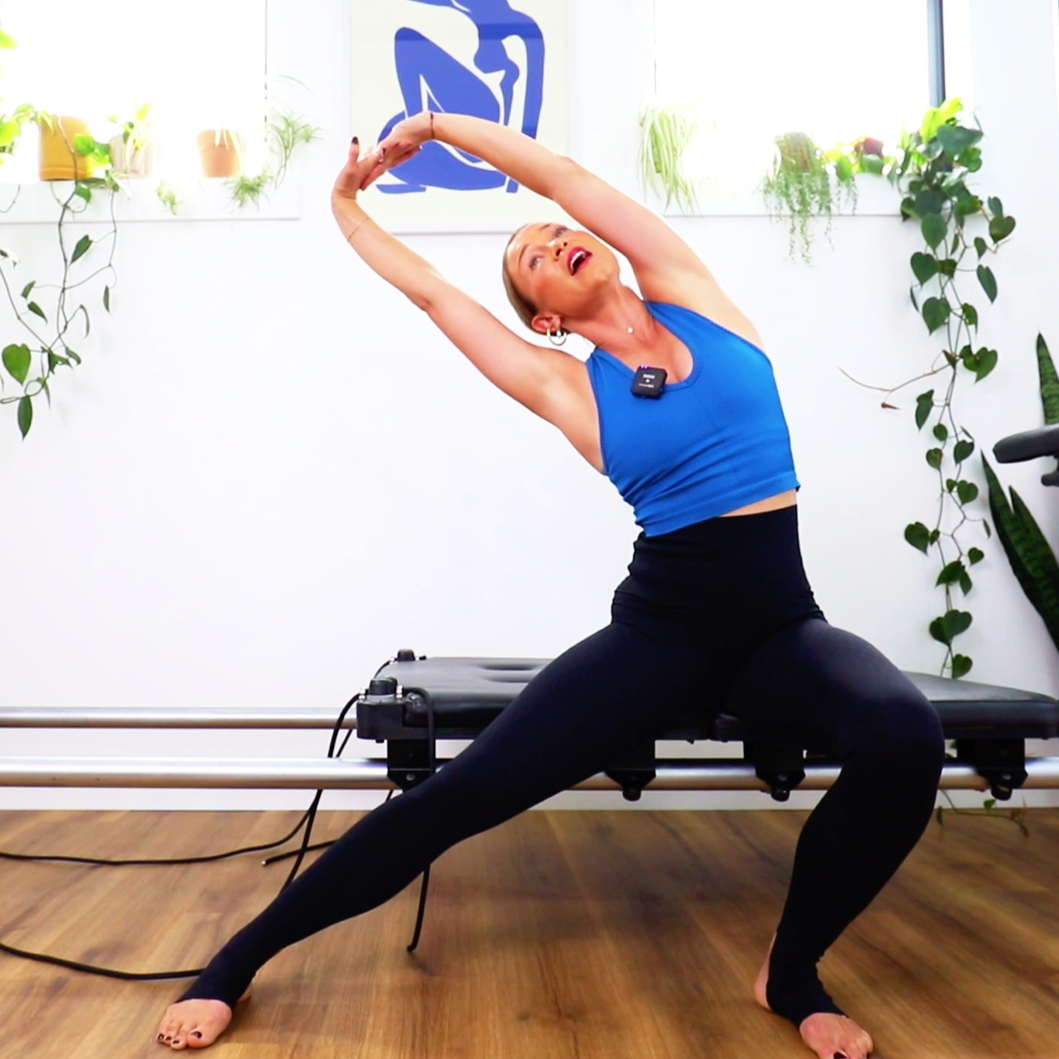
Somatic movement can offer a gentle way to support nervous system downshifting, encouraging the body to settle, soften and unwind through movement rather than stillness alone. We can cultivate grounding and physiological calming.
By integrating breathwork with movement, we can mobilise and strengthen the diaphragm, improving its relationship with the rib cage, spine and pelvic floor. Over time, these practices may help the body move away from hypervigilance and more towards an embodied sense of calm, resilience and deep settling.
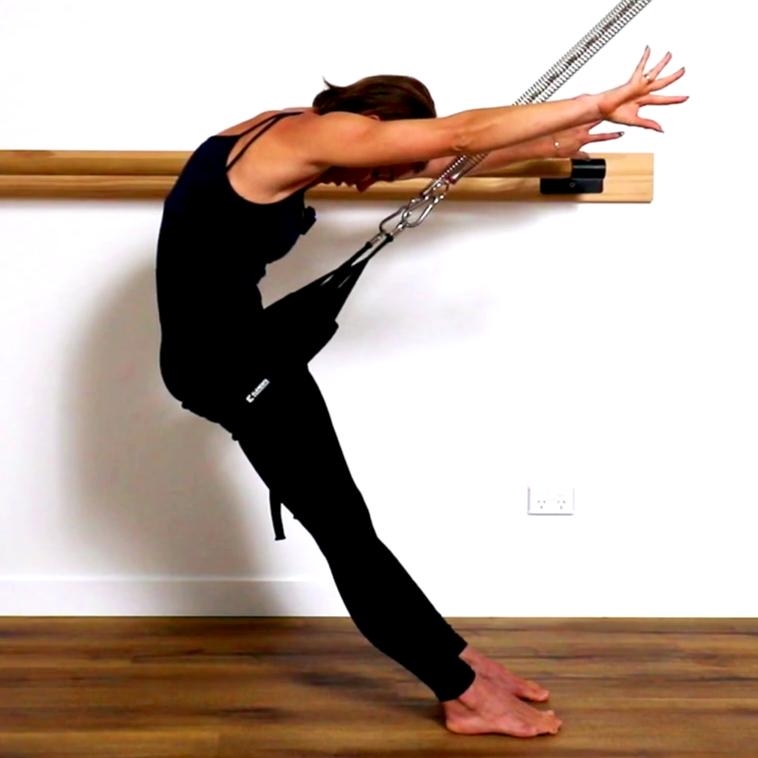
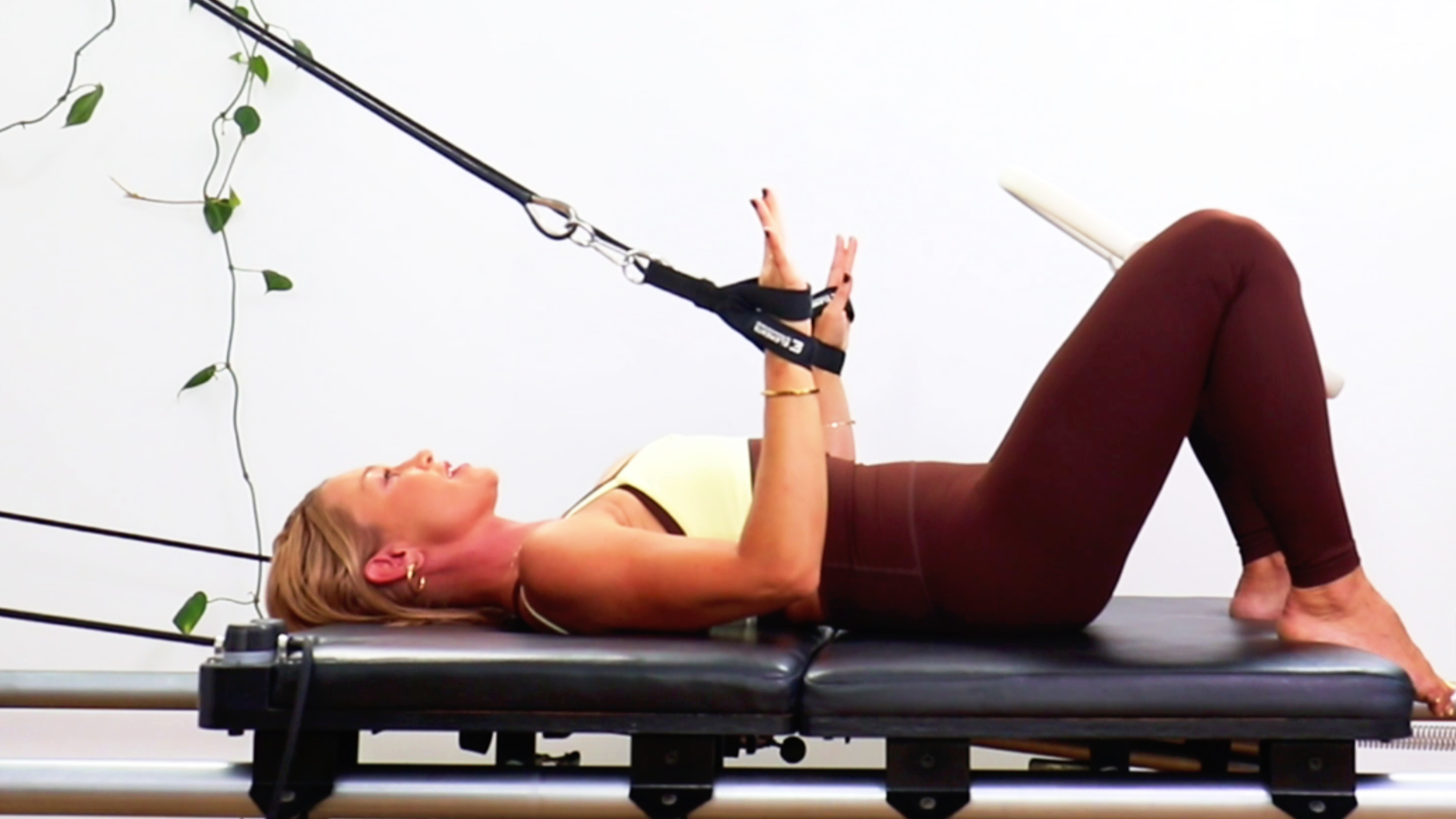
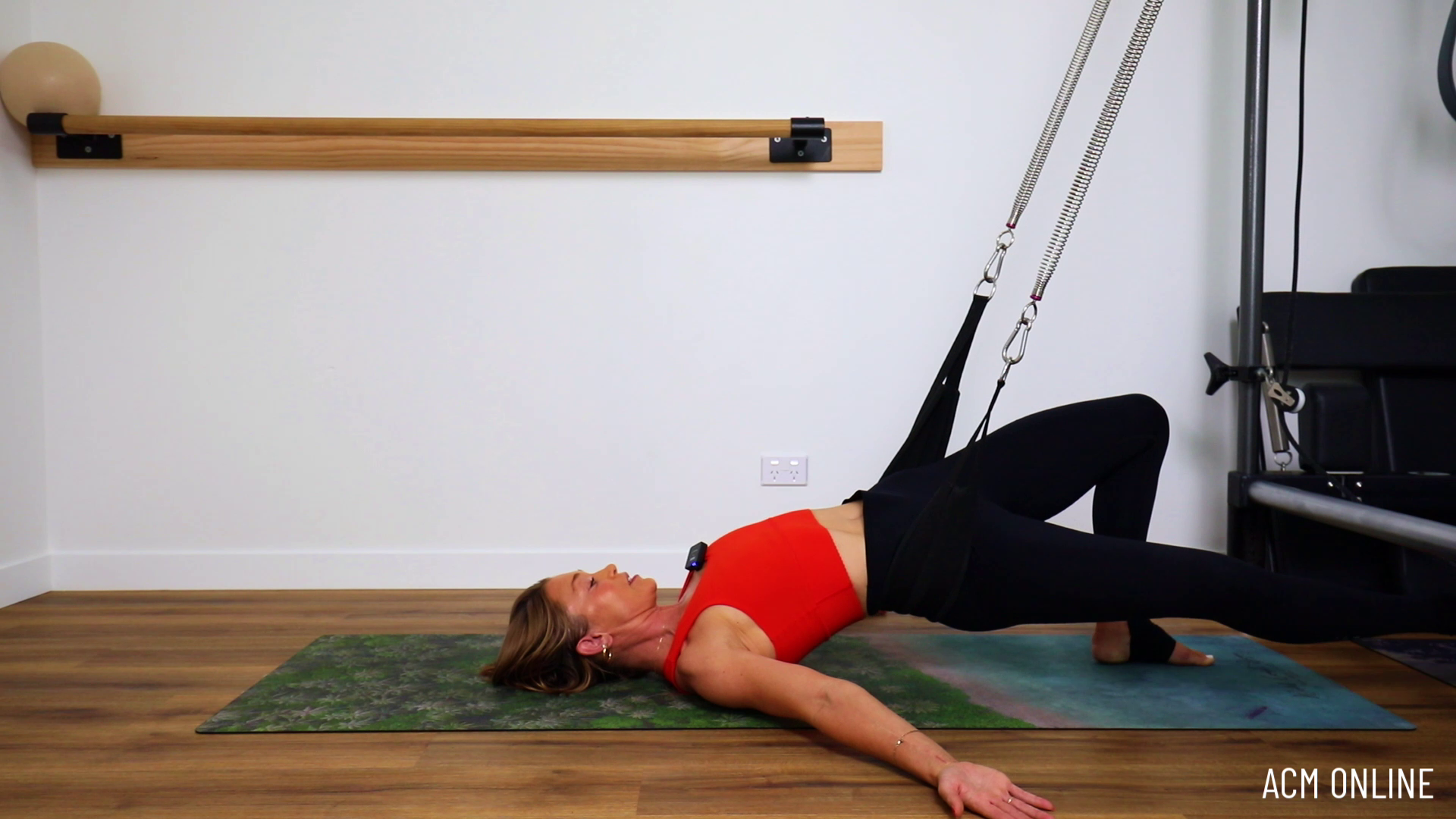
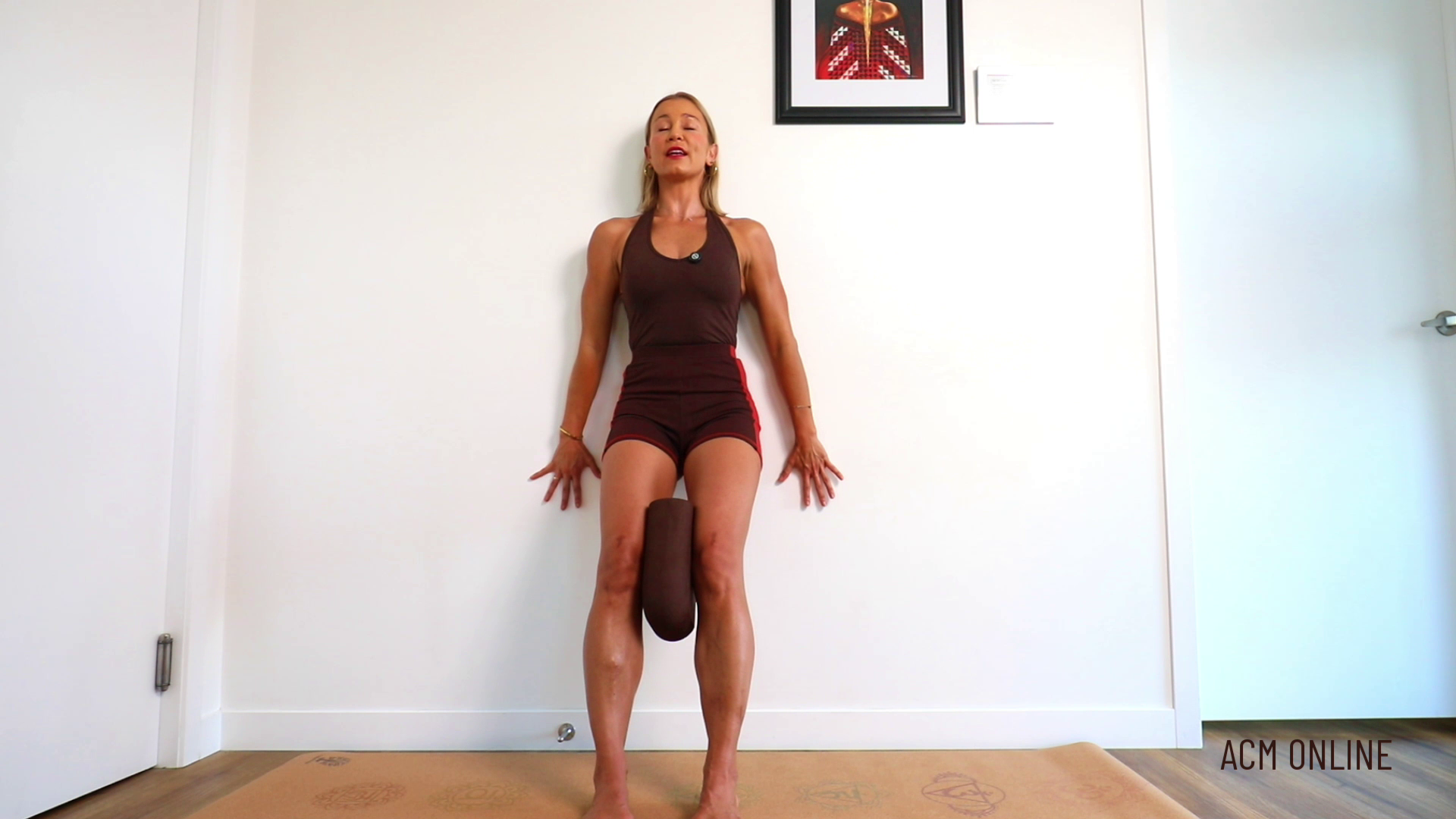
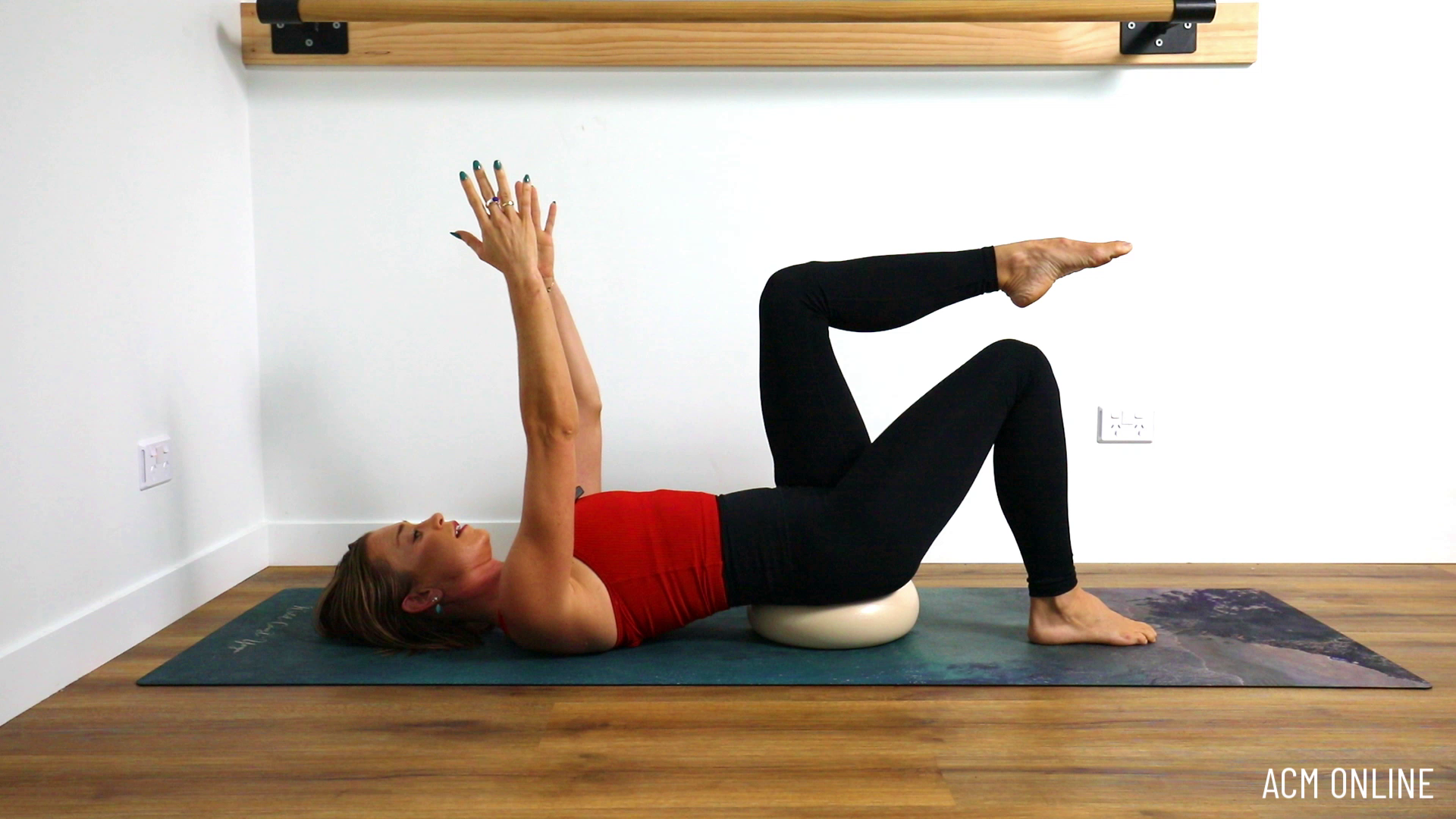
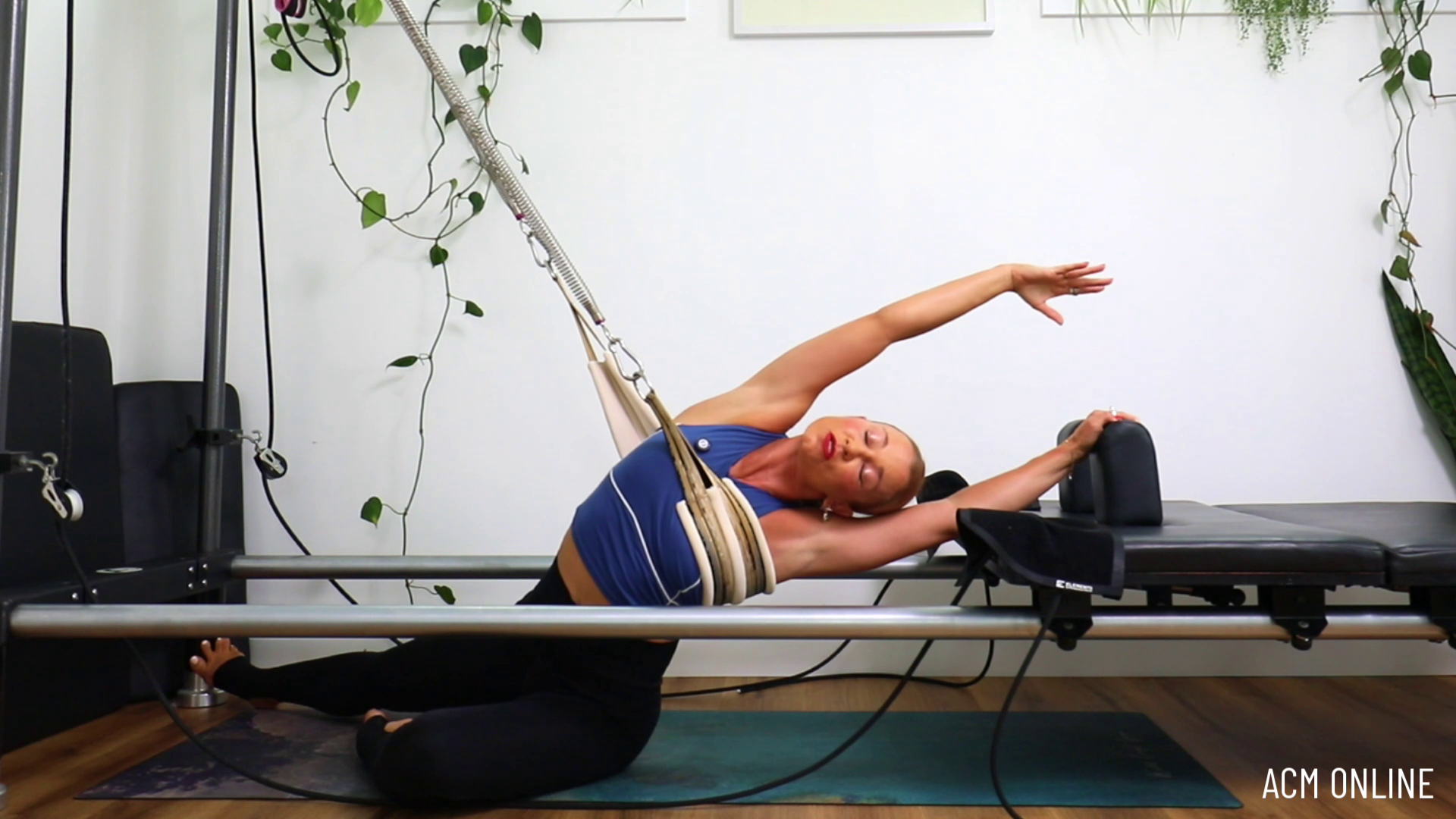
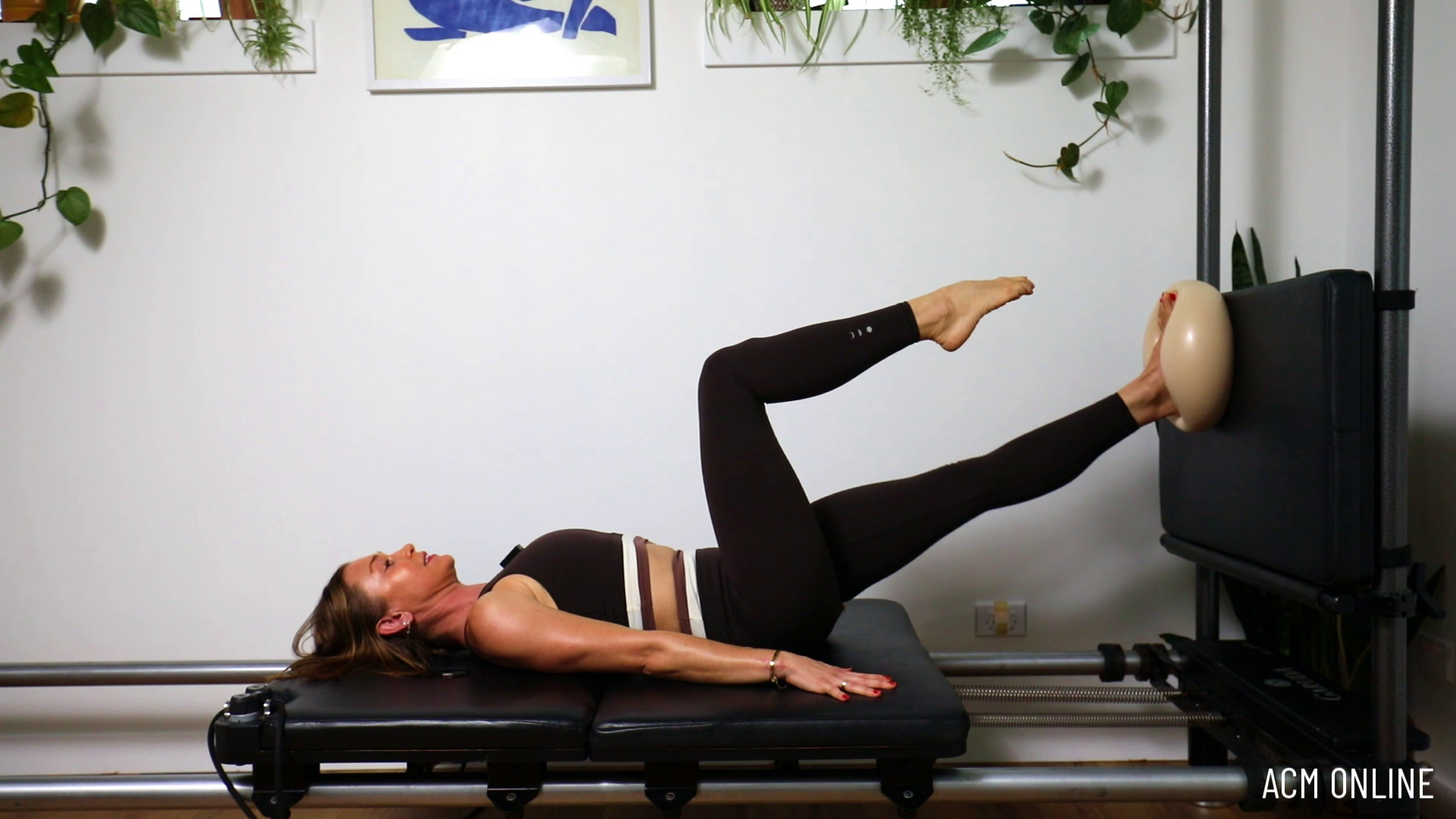
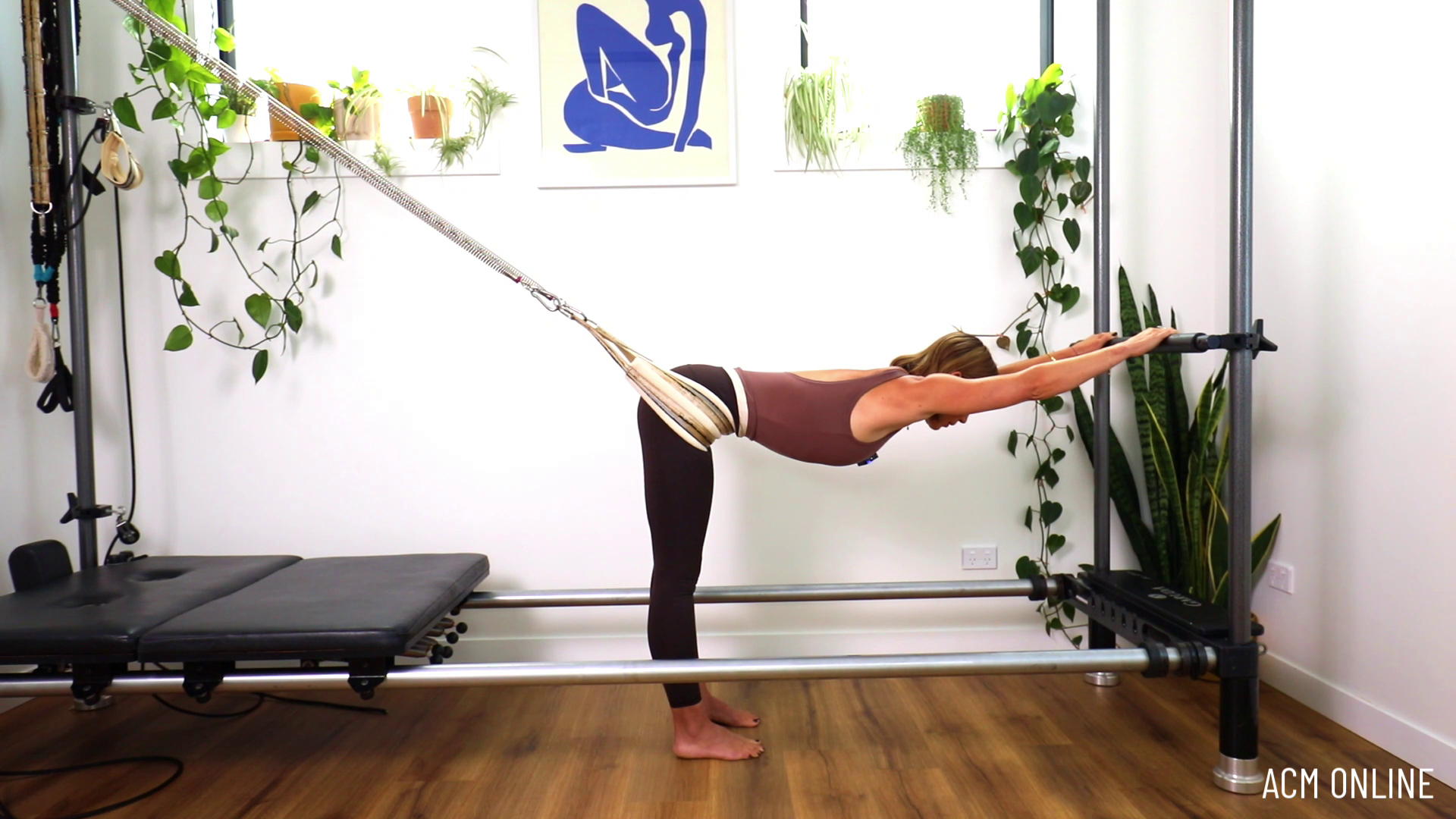
Somatic movement can feel more inviting on the days when you feel sore, tired, stressed or unmotivated to move. Rather than asking the body to show up and perform, it offers a gentler place to begin. Through settling, softening, decompressing and recalibrating. Often, as the nervous system begins to downshift, the body and mind move into a better-feeling state. You feel lighter, more open and willing to continue. Movement starts to feel good rather than demanding, and you may incidentally end up doing more than you expected. What begins as a quiet, restorative practice can naturally build into greater range, strength or intensity, simply because the body feels more inspired and ready to train.
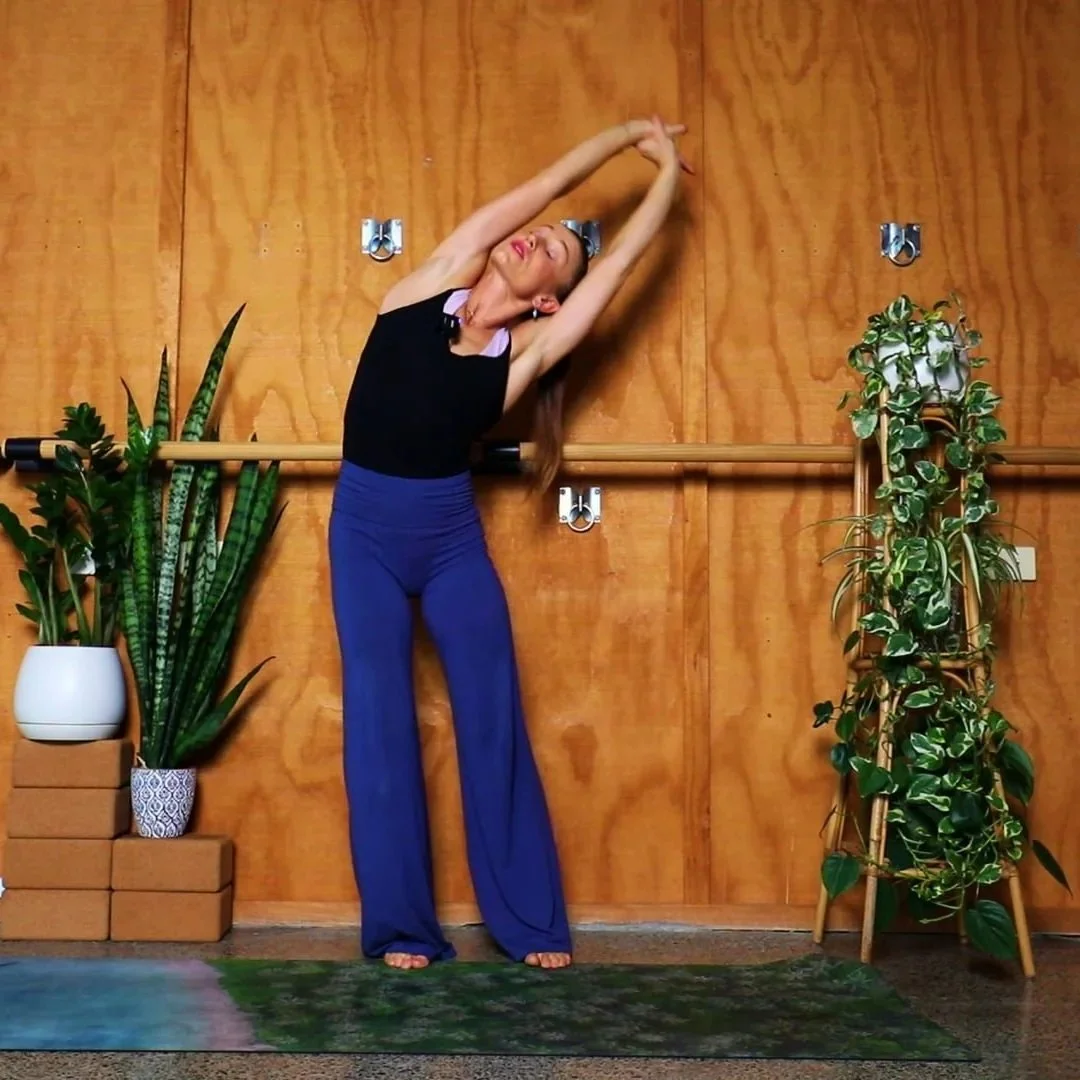
I would love to hear which online classes you are drawn to for your nervous system reset? Our responses to movement can be deeply individual. What feels calming and regulating for one person may feel challenging or unfamiliar for another, and we are each likely to connect with different elements of a practice.
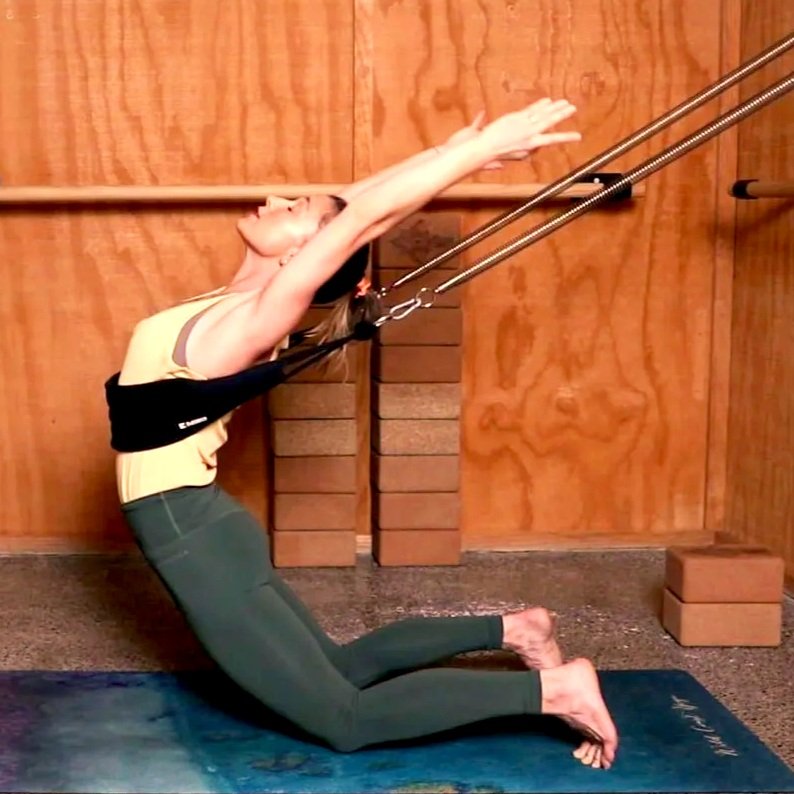
For me, the sling work feels profoundly grounding. There is something about the sensation of being held, exploring suspension and yield, and allowing the body to soften into support. It can create a feeling of letting go; releasing tension, effort or something the body no longer needs to carry.